
Leading Solutions For Fire Damage Cleanup And Restoration
Identify essential products that facilitate effective and safe fire damage cleanup and property restoration.
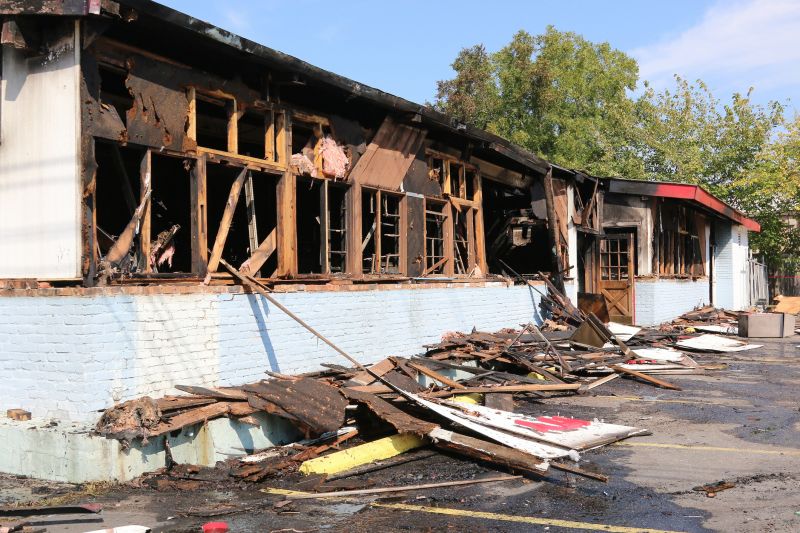 Fire restoration is a critical process that involves repairing and restoring properties affected by fire damage. The process requires a variety of specialized products designed to address different aspects of damage, including smoke odor removal, soot cleanup, structural repairs, and material restoration. Effective fire restoration products help mitigate further deterioration, improve indoor air quality, and support the overall recovery process. When selecting products for fire restoration, it is essential to understand their specific purposes and how they contribute to a comprehensive restoration plan.
Top Overall Option
Multi-Purpose Fire Damage Restoration Kit
A comprehensive restoration kit that includes cleaning agents, odor neutralizers, protective gear, and repair materials designed to address various aspects of fire damage. This versatile set is suitable for both professional restorers and DIY homeowners seeking an all-in-one solution. It facilitates thorough cleaning, odor removal, and structural support, making it a valuable resource for fire recovery projects.
Types of Products For Fire Restorations
Soot and Smoke Cleaners
Specialized cleaning solutions formulated to remove soot and smoke residues from walls, ceilings, and surfaces.
Odor Neutralizers
Products designed to eliminate persistent smoke odors from indoor environments.
Fire-Resistant Sealants
Sealants used to reinforce structural elements and prevent further damage or fire spread.
Structural Repair Materials
Patching compounds, primers, and adhesives for restoring damaged walls, floors, and ceilings.
Protective Gear
Personal protective equipment including masks, gloves, and suits to ensure safety during restoration tasks.
Air Scrubbers and Ventilation Equipment
Devices to improve air quality by removing airborne contaminants and smoke particles.
Water and Moisture Absorbers
Materials to control moisture and prevent mold growth post-fire.
Fire-Resistant Insulation
Insulation materials designed to withstand high temperatures and improve fire safety.
Cleaning Cloths and Sponges
Absorbent and durable cloths for manual cleaning of soot and debris.
Electrostatic Dusters
Tools for dusting and removing soot particles from surfaces.
Deodorizing Sprays
Sprays formulated to neutralize odors on fabrics and surfaces.
Fire-Resistant Paints
Specialized paints that add a layer of fire resistance to surfaces.
Electrical Repair Kits
Tools and components for restoring damaged electrical systems safely.
Glass and Mirror Cleaners
Products to restore clarity after soot and smoke exposure.
Floor Repair and Refinishing Products
Materials for restoring damaged flooring, including adhesives and finishes.
Popular Choices
Highly sought-after products for neutralizing stubborn smoke smells.
Commonly used cleaning agents for soot cleanup on various surfaces.
Essential safety equipment for workers during fire damage cleanup.
Popular devices for improving indoor air quality after fire incidents.
Frequently chosen for structural reinforcement and fireproofing.
Effective for absorbing lingering smoke odors in enclosed spaces.
Widely used tools for manual soot and residue removal.
Popular for quick odor masking and neutralization.
Chosen for their ability to add a layer of fire resistance to surfaces.
Commonly used to prevent mold growth after fire damage.
Favored for their efficiency in soot removal from delicate surfaces.
Popular among professionals for restoring damaged building elements.
Essential for removing excess water and debris after firefighting efforts.
Chosen for enhancing building safety in fire-prone areas.
Restoration professionals often rely on a combination of cleaning agents, odor neutralizers, protective equipment, and repair materials to ensure a thorough and safe restoration process. Proper use of these products can make a significant difference in the efficiency and effectiveness of the restoration efforts. For property owners undertaking DIY restoration or working with contractors, choosing the right products is vital to achieve optimal results.
In addition to cleaning and odor control items, fire restoration involves structural repair products such as sealants, primers, and fire-resistant materials that help restore the integrity of the building. It is also important to consider safety equipment, including protective gear and ventilation tools, to safeguard workers and inhabitants during the restoration process. A well-rounded selection of products tailored to the specific needs of fire-affected properties can help streamline recovery and ensure a safer, cleaner, and more durable restoration outcome.
Whether dealing with minor smoke damage or extensive fire destruction, the right products can support a systematic approach to recovery. Understanding the variety of available options and their appropriate applications can assist property owners and restoration professionals in making informed decisions, ultimately leading to more effective and efficient restoration efforts in Plainfield, IL, and beyond.
Key Buying Considerations
- Identify the specific type of fire damage to determine suitable products.
- Consider the size and scope of the restoration project to select appropriate quantities.
- Check product compatibility with surfaces and materials affected by fire and smoke.
- Prioritize safety features, such as protective gear and non-toxic cleaning agents.
- Evaluate the effectiveness of odor neutralizers for persistent smoke smells.
- Ensure products are suitable for both professional and DIY use, depending on your needs.
- Look for products that are easy to apply and have clear instructions.
- Consider the drying and curing times of repair and sealant products.
- Assess the durability and fire-resistance ratings of repair materials and paints.
- Determine if additional equipment, like air scrubbers or ventilation systems, is necessary.
- Review product labels for safety warnings and proper disposal instructions.
- Compare brands and reviews to gauge reliability and user satisfaction.
- Factor in budget constraints while ensuring quality and effectiveness.
- Verify that products are suitable for indoor use and do not emit harmful fumes.
- Consult with restoration professionals for recommendations on high-quality products.